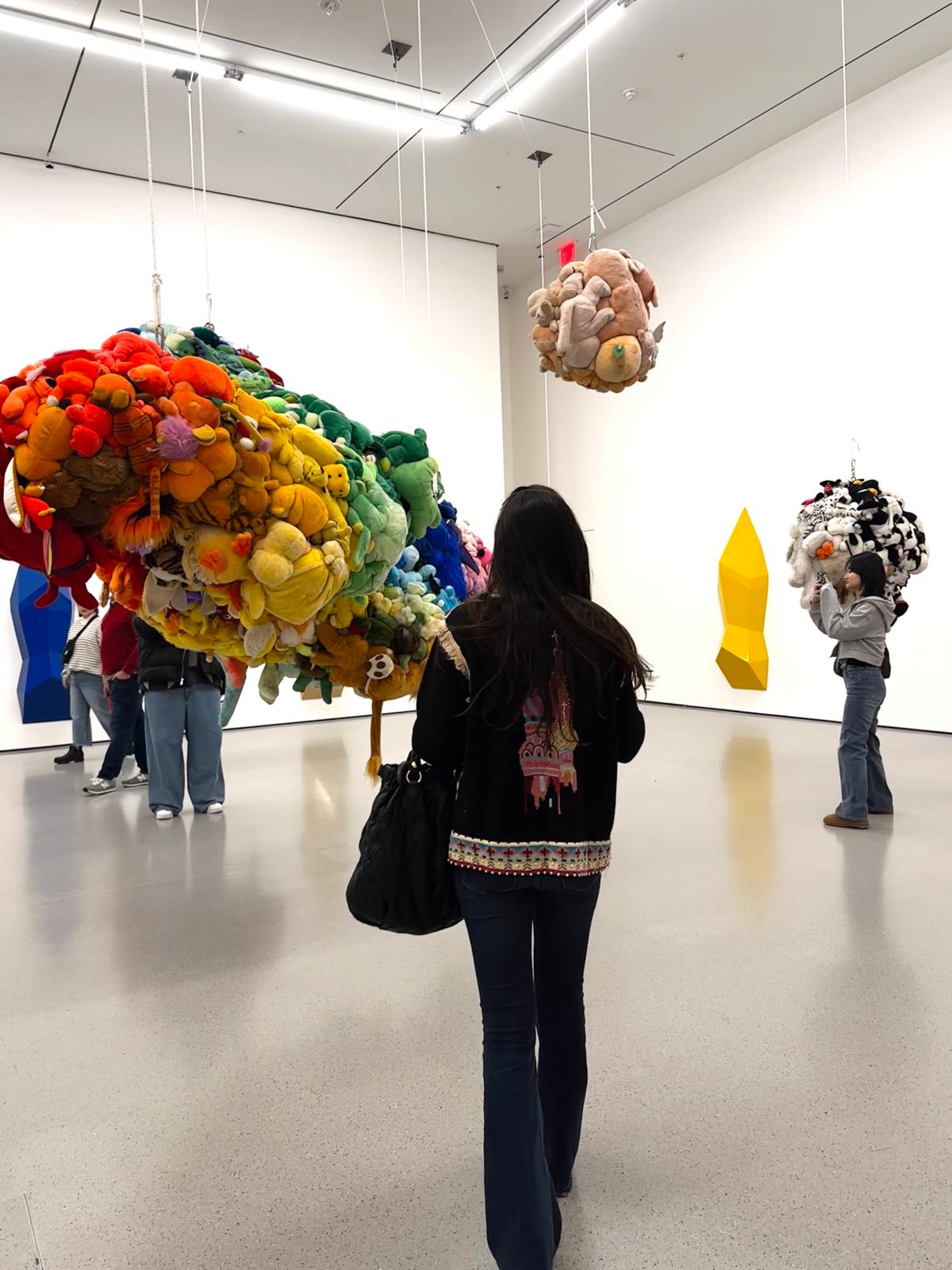
In the past, culture came in neat boxes. A fashion show was a fashion show. A concert was a concert. A gallery was a gallery. You didn’t go to a runway to eat. You didn’t watch a DJ set over dinner or find couture in a concept store café. Brands made products. Artists made art. Experiences stayed in their lanes: clear, defined, and separate.
But today, those lines are disappearing.
We are living in a moment where the most compelling cultural expressions live not within industries, but between them. Fashion merges with food. Music fuses with tech. Hospitality blends with art. Gaming partners with couture. Creators aren’t confined to one medium, and audiences no longer want single-track experiences. What they’re looking for is immersion: something to feel, to taste, to hear, to wear, and to live inside.
This is the era of culture convergence, and it’s reshaping how we tell stories, build brands, and create meaning.
To understand how this plays out, we can begin by looking at where culture meets place, where brands no longer just represent identities but build physical worlds we can walk into.
IMMERSIVE WORLDS: WHERE BRANDS BECOME PLACES
Some brands sell products. Others build universes. Increasingly, the most influential names in fashion, art, and travel aren’t just offering objects, they are designing spaces you can walk into, live inside, and share.
Fashion houses like Armani have launched hotels. Maison Kitsuné invites fans to hang out in cafés. Jacquemus didn’t stop at clothing, he built a beach club in Monte-Carlo. Ralph Lauren’s café lets you sip a cappuccino wrapped in elegance. These aren’t side projects; they’re immersive brand worlds.
Travel and fashion now co-create experiences too. Jacquemus teamed up with Air France for stylish travel kits and accessories. Rimowa’s partnerships with Dior turn luggage into cultural passports. Meanwhile, boutique hotels like 21c Museum Hotels blur the line between hospitality and gallery space. At The LINE in Los Angeles, every design detail, from the minibar to the restaurant, is co-created by local artists. While Airbnb curates local, art-infused experiences that turn lodging into lifestyle storytelling.
But cultural convergence isn’t only about where we are, it’s also about how we move and what moves us. From the way we play sports to how we consume content, brands are stepping into motion and performance.
NARRATIVE LUXURY: STYLE IN MOTION
Increasingly, brands across industries are using motion, performance, and narrative to engage audiences in different ways.
In sport, fashion is rewriting the playbook. Jacquemus collaborated with Nike to bring runway minimalism into athleticwear. Dior designed luxury gym equipment with Technogym. UNIQLO partnered with Roger Federer to blend performance and elegance on and off the court. Lacoste continues to fuse tennis heritage with contemporary design. These aren’t just style upgrades, they are a rebranding of athleticism as cultural elegance.
That same narrative drive extends from the court to the screen. Fashion is now speaking the language of cinema. Saint Laurent has launched its own film production division, working with directors like Pedro Almodóvar and Gaspar Noé. Chanel supported the open-air screening of Cinema Paradiso at the Louvre, curated by Sofia Coppola, as part of its broader cultural patronage. Today, fashion houses storyboard collections like films, with character, plot, mood, and soundtrack. The result: fashion as screenplay, not just silhouette.
And just as storytelling and performance have expanded into sport and cinema, they are now being expressed through dining, where food becomes a medium for design, identity, and art.
Food is no longer just a meal, it’s sculpture, narrative, and spectacle.
EDIBLE AESTHETICS: WHEN FOOD BECOMES A MEDIUM
From Prada’s Pasticceria Marchesi to Gucci Osteria’s global presence, fashion brands are treating culinary spaces with the same intention and design as a runway. MSCHF, the art-fashion collective, even turned food into satire with its “Eat the Rich” popsicles, Elon, Bezos, and Zuck as frozen treats.
In the art world, chefs and creators are blending senses. Daniel Humm at Eleven Madison Park collaborates with artists to turn meals into conceptual journeys. Laila Gohar builds edible chandeliers and feasts that collapse the line between consumption and creation.
Naturally, the next frontier of convergence is the digital one. As boundaries dissolve offline, they are simultaneously reconfiguring how we interact in virtual spaces, where culture is coded and streamed in real time. Culture is no longer tied to the physical. It’s moving into pixels, platforms, and programmable space.
DIGITAL DIMENSIONS: CULTURE GOES VIRTUAL
Travis Scott’s concert in Fortnite drew millions into a virtual, cinematic world where music, gaming, and visual art collided. Grimes and Holly Herndon use AI to create music, alter identities, and reimagine the artist-audience relationship. Chanel and Balenciaga have partnered with Apple Music to curate playlists as brand extensions, sonic moodboards.
Meanwhile, fashion lives in the metaverse. Balenciaga and Louis Vuitton are designing skins for Fortnite and League of Legends. Nike’s digital sneakers exist on Roblox. These aren’t just gimmicks, they are part of a new, immersive aesthetic language.
CREATORS AS CROSSROADS
At the heart of this convergence is the creator who refuses to stay in one lane. Virgil Abloh went from architecture to fashion to music to industrial design. Tyler, the Creator blurs music, fashion, film, and fragrance. Iris van Herpen fuses haute couture with science and 3D printing. They don’t work across mediums for novelty, they do it because that’s what this era demands.
WHY THIS MATTERS
This convergence of disciplines isn’t a trend, it’s a structural shift, and these are only a few examples. A response to overstimulated audiences craving cohesion and meaning. A call from creators who refuse to be boxed in. A strategy for brands that want to build immersive ecosystems, not just sell products.
We are witnessing the rise of cultural operating systems, webs of content, space, sound, and taste that tell a unified story. And in this new world, success doesn’t come from staying in your lane. It comes from intersection, immersion, and the audacity to cross genres.
The future of culture isn’t in categories.
It’s in connections.